A warm introduction to what families can expect
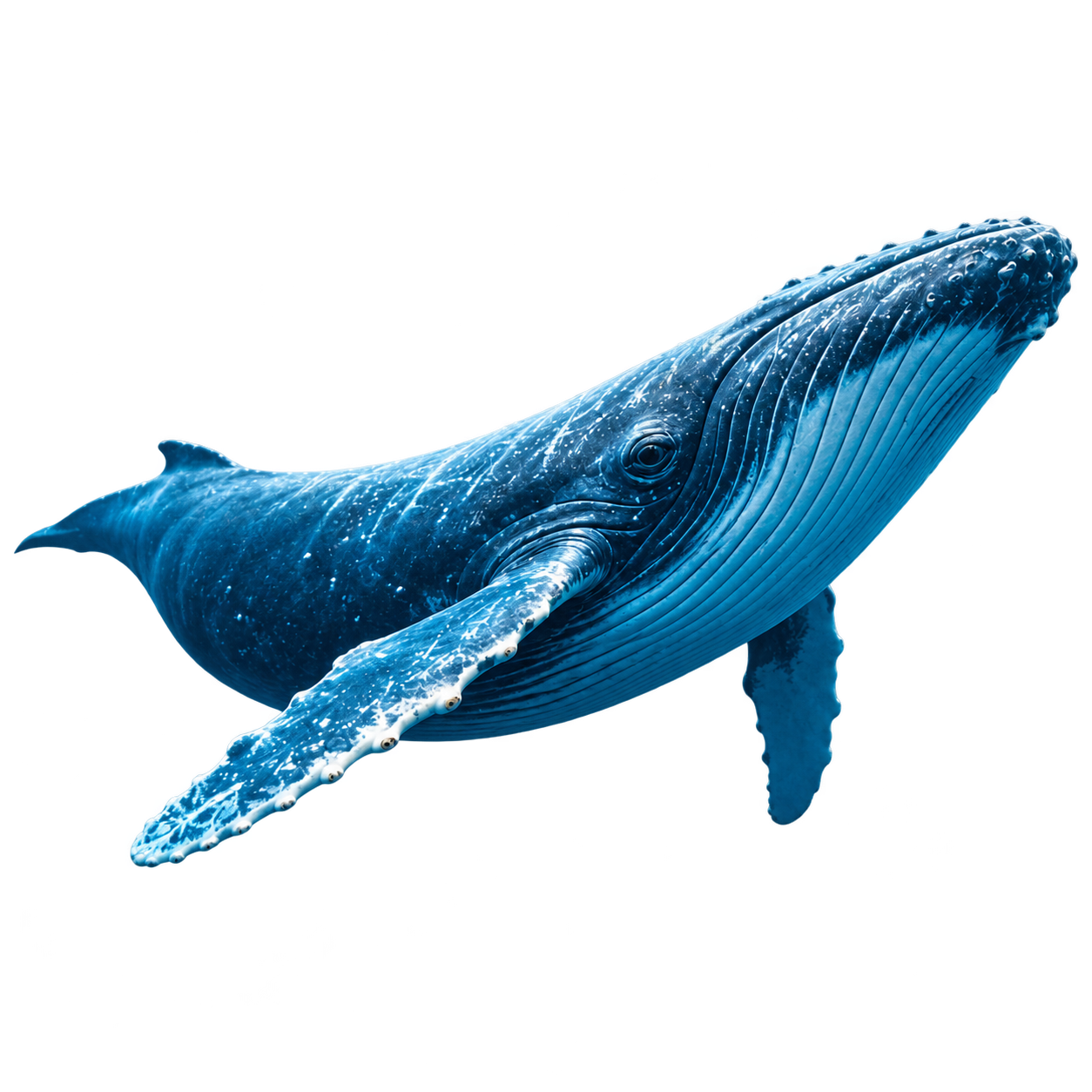
Whale & Ocean Discovery Resource Pack One magnificent animal. A whole ocean of discoveries. Explore the world of whales through illustrated reference pages, hands-on activities, sketchnoting, vocabulary cards and a migration map. Created for children aged 5–10, this Montessori-inspired collection connects science, maths, geography and language through questions children can investigate with a gro…
What’s included?
???? Whale Encyclopedia — 7 pages
Illustrated pages introducing baleen whales, swimming, breathing, feeding, ocean journeys, size and how whales support ocean life.
???? Ocean Discovery Pack — 12 pages
Blue-whale facts, 15 sketchnote prompts, an open drawing page and three family activities: measure a whale, model baleen filtering and build an ocean food chain. Includes space to record questions and discoveries.
???? Humpback Migration Explorer — 2 pages
An illustrated map with example journeys, conversation prompts and guidance for exploring feeding areas and places where whales raise their calves.
???? Illustrated Three-Part Cards & Definitions — 32 pages
20 picture-and-word sets with matching definition cards. Explore whale body parts, behaviours and ocean connections—including baleen, krill, phytoplankton, whale poo and whale falls.
???? Parent Guide — 3 pages
Simple conversation starters, book recommendations, learning links and two video links to help families continue exploring together.
Children can practise:
Observing, asking questions and explaining ideas.
Measuring, predicting and comparing.
Exploring maps and ocean journeys.
Building vocabulary through picture and word matching.
Recording discoveries through drawing, speaking and writing.
Investigating connections within ocean food webs.
Extra details for your planning
Format: Five PDF files • 56 pages in total
Suitable for: Home learning, classroom follow-up and whale-themed exploration.
Print the pages your child needs and begin with what interests them. Younger children can explore through conversation and drawing; older children can read, match, measure and investigate more independently.